
Full Disclosure: We hate BS as much as you do. This site exists to show you how crypto actually works in the real world. To keep the lights on, some links in our articles are affiliate links. If you use them, we may earn a small commission at zero extra cost to you. We only recommend platforms we personally use and trust with our own stablecoins.
100 Tons of Tainted Gold. $9 Billion. One Mint.
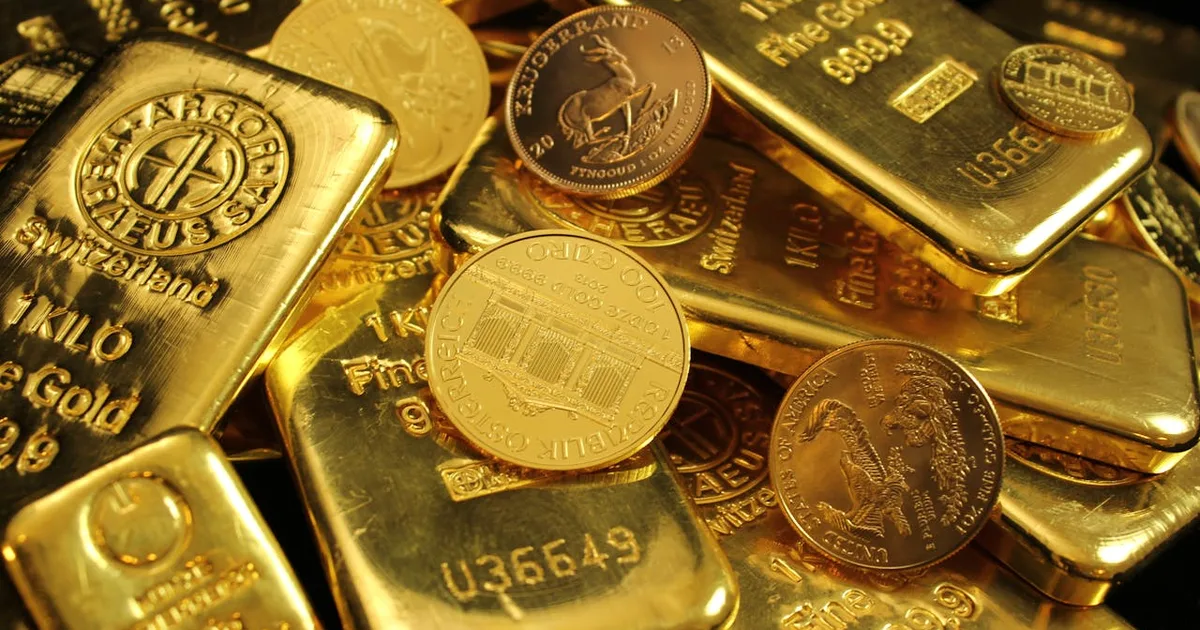 In 2023, Australia's Perth Mint — one of the most trusted gold refiners on Earth — was exposed for deliberately reducing the purity of approximately 100 tons of 1-kilogram gold bars. The goal: save about $415,000 in production costs. The impact: up to AU$9 billion worth of gold bars that didn't meet the standard printed on them.
The problem was discovered when the Shanghai Gold Exchange flagged two Perth Mint bars with excess silver content. Internal documents revealed that Perth Mint's management had approved the "doping" program — and only stopped when caught. They then provided only passing test reports to bury the issue.
This is not a back-alley counterfeiter. This is a government-owned mint, trusted by sovereign wealth funds, selling gold that didn't match its own certification.
And it gets worse.
In Manhattan, a dealer cut open a 10-ounce gold bar and found a tungsten core hidden under a thin gold shell. In Ottawa, a bar certified by the Royal Canadian Mint was found to contain tungsten. In 2024 and 2025, the FBI recorded over 1,737 cases of gold bar scams targeting American consumers, with losses totaling $219 million — most of them elderly victims tricked into buying gold that was fake, overpriced, or never delivered.
The bars sit in vaults. Nobody drills into them. Nobody runs ultrasound. And when someone finally checks — sometimes years later — they find tungsten, copper, or silver where gold should be.
I had a former colleague — classic Wall Street prepper type, kept a safe full of gold bars in his Long Island basement. I once asked him: "Dude, how do you know that bar isn't a gold-plated tungsten brick?" He went quiet. That's the dirtiest secret about physical gold that nobody talks about.
In 2023, Australia's Perth Mint — one of the most trusted gold refiners on Earth — was exposed for deliberately reducing the purity of approximately 100 tons of 1-kilogram gold bars. The goal: save about $415,000 in production costs. The impact: up to AU$9 billion worth of gold bars that didn't meet the standard printed on them.
The problem was discovered when the Shanghai Gold Exchange flagged two Perth Mint bars with excess silver content. Internal documents revealed that Perth Mint's management had approved the "doping" program — and only stopped when caught. They then provided only passing test reports to bury the issue.
This is not a back-alley counterfeiter. This is a government-owned mint, trusted by sovereign wealth funds, selling gold that didn't match its own certification.
And it gets worse.
In Manhattan, a dealer cut open a 10-ounce gold bar and found a tungsten core hidden under a thin gold shell. In Ottawa, a bar certified by the Royal Canadian Mint was found to contain tungsten. In 2024 and 2025, the FBI recorded over 1,737 cases of gold bar scams targeting American consumers, with losses totaling $219 million — most of them elderly victims tricked into buying gold that was fake, overpriced, or never delivered.
The bars sit in vaults. Nobody drills into them. Nobody runs ultrasound. And when someone finally checks — sometimes years later — they find tungsten, copper, or silver where gold should be.
I had a former colleague — classic Wall Street prepper type, kept a safe full of gold bars in his Long Island basement. I once asked him: "Dude, how do you know that bar isn't a gold-plated tungsten brick?" He went quiet. That's the dirtiest secret about physical gold that nobody talks about.The Verification Problem: Gold's Dirty Secret
Unless you're willing to saw your $50,000 gold bar in half, or drop a few grand on an ultrasonic testing machine, you literally cannot prove your gold is real. Everyone just... trusts. And trust is exactly what scammers exploit.
The density problem is the reason tungsten fakes work so well. Gold and tungsten are almost identical in density. A precision-machined tungsten core with a 2mm gold shell will pass every test except ultrasound — and most dealers don't own an ultrasound machine.
Even professional assayers can be fooled. Perth Mint's bars were manufactured by the mint itself with deliberately reduced purity. If the refiner is the one cutting corners, no downstream test will catch it unless someone sends the bar to an independent lab — which costs hundreds of dollars and takes weeks.
The industry's answer to verification is trust. You trust the dealer. The dealer trusts the refiner. The refiner trusts the assayer. And sometimes, 100 tons of substandard gold sit in vaults for years because everyone along the chain trusted someone else.
| Method | How It Works | Fatal Flaw |
|---|---|---|
| XRF (X-ray) | Shoots X-rays, reads fluorescence | Only penetrates 10 micrometers — a thick gold plating beats it |
| Acid test | Scratch surface, apply nitric acid | Destructive. Only tests the scratch point. Relies on human judgment |
| Density test | Measure weight and volume | Tungsten density: 19.25 g/cm³. Gold: 19.30. 0.26% difference — undetectable |
| Ultrasound | Measures sound speed through metal | Best method, but requires specialized equipment. Doesn't test purity, only composition |
The Premium Problem: You're Already Losing Money When You Buy
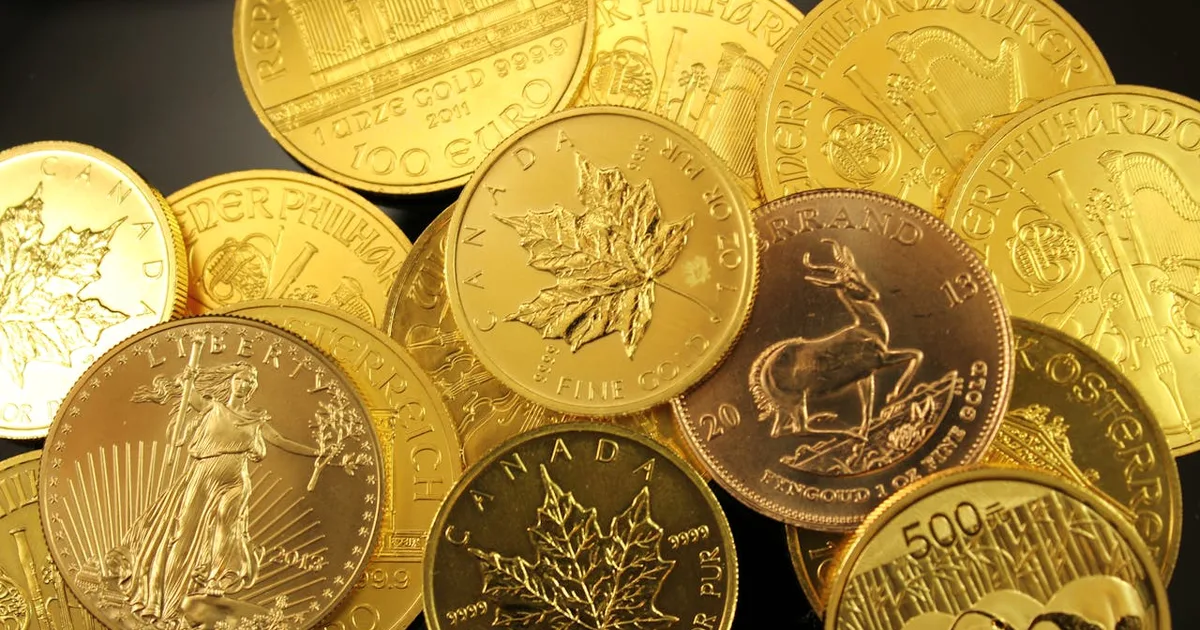 So let's say you dodged the fakes. Congratulations. You're still getting fleeced. Walk into any coin shop and watch the dealer smile as he hands you a 1-ounce American Eagle — what he's not telling you is that you're paying for the minting, the shipping, the insurance, and his car payment. The moment you walk out, your "investment" is already down 6-10%. In 2026, paying that kind of friction cost to own an asset is borderline robbery.
| Product | Premium Over Spot | What That Costs You (at $5,000/oz) |
|---|---|---|
| 1 oz gold bar (generic) | 1-5% | $50-$250 |
| 1 oz American Eagle coin | 3-7% | $150-$350 |
| 1/10 oz coin | 12-18% | $60-$90 per 1/10 oz |
| Gold jewelry (retail) | 100-400% | $5,000-$20,000 per oz equivalent |
| PAXG / XAUT | 0.1-0.3% | $5-$15 |
Tokenized Gold: Every Bar Has a Serial Number You Can Actually Check
Here's how tokenized gold works — and why it solves the problems above.
PAXG (Paxos Gold)
Each PAXG token represents one fine troy ounce of a London Good Delivery gold bar, stored in LBMA-accredited vaults in London. Paxos is regulated by the New York Department of Financial Services (NYDFS).
The key feature: go to paxos.com/paxgold, enter your Ethereum wallet address, and you'll see:
Our take: PAXG has stronger regulatory backing (NYDFS). XAUT has slightly more market cap and is backed by Tether, which also issues USDT. Both charge zero management fees — compare that to gold ETFs like GLD, which charge 0.40% annually. If you want the maximum regulatory safety, go PAXG. If you're already in the Tether ecosystem, XAUT works.
Neither requires you to trust a dealer, drill into a bar, or hope that the vault you've never visited actually contains what they say it does. The serial number is on-chain. The attestation is public. The gold is verified.
- The serial number of the specific gold bar your tokens are allocated to
- The refiner's brand code
- The gross weight, fine weight, and purity (minimum 99.5%)
- Monthly attestation reports from an independent accounting firm
| PAXG | XAUT | |
|---|---|---|
| Market cap | ~$1.77B | ~$1.88B |
| Storage | London (LBMA vaults) | Switzerland |
| Management fee | 0% | 0% |
| Redemption fee | 0.125-1% | 0.25% |
| Physical redemption | 430 PAXG (1 bar) or 1g+ via Alpha Bullion | 430 XAUT (1 bar) |
| Regulator | NYDFS | TG Commodities Ltd |
| Serial number lookup | Yes — wallet → bar | Yes — wallet → bar |
The Counterarguments (And Why They're Weaker Than You Think)
"But I can hold physical gold in my hand"
Yes. And you can also hold a gold-plated tungsten bar in your hand. It will feel exactly the same. The tactile satisfaction of holding physical gold is real — the certainty that it's actually gold is not, unless you've personally tested it with multiple methods.
"Tokenized gold has counterparty risk"
I won't sugarcoat this — if Paxos goes belly-up tomorrow, getting your PAXG converted back to physical gold would be a legal nightmare. The segregated custody setup looks great on paper, but it's never been stress-tested in an actual bankruptcy court. Honestly, I hope I never have to find out.
But let's be real: would you rather carry that low-probability black swan risk, or deal with the daily reality of burglary, house fires, and the chance your gold bar is a tungsten sandwich? Your insurance docs might not even survive a fire — gold melts at 1,064°C, but paper doesn't. Two bad options. I'll take the one on-chain.
"Gold ETFs already exist — why do I need tokens?"
Gold ETFs (like GLD or IAU) charge 0.25-0.40% annually. Over 10 years, that's 2.5-4% of your investment eaten by fees. PAXG and XAUT charge 0% management fees.
ETFs also don't let you take physical delivery. You own a share of a fund that owns gold. With PAXG, you can redeem for actual physical gold (minimum 430 PAXG, or as low as 1 gram through Alpha Bullion).
And ETFs trade only during market hours. Tokenized gold trades 24/7, on-chain, globally.
"I don't trust crypto"
Fair. But you're not trusting "crypto" — you're trusting a regulated financial institution (Paxos, regulated by NYDFS) that happens to issue tokens on Ethereum. The token is the delivery mechanism. The gold is in a London vault with a serial number. If you trust a gold ETF, the trust model for PAXG is comparable or stronger.
Gold Is a Great Asset. The Way You Buy It Is Broken.
Don't get me wrong — gold isn't garbage. It returned 122% over five years, broke $5,000 in 2026, and it's still the most battle-tested store of value humans have ever invented. Gold itself is fine. It's the way you buy gold that's broken.
Storing metal lumps in a safe when you can settle globally with USDT in seconds is like using carrier pigeons when you have 5G. In 2026, there's no excuse.
If you're holding stablecoins and want gold exposure, just grab some PAXG. Swap USDT → PAXG in one transaction on any major exchange. No dealer visit, no shipping, no safe, no insurance, no lying awake wondering if your bar is tungsten. Done.
For more on earning yield on your stablecoins — including gold-backed options — see our RWA tokenization guide. And if you need to buy stablecoins first, we've got you covered.
This content is for informational purposes only and does not constitute financial advice. Always do your own research before making investment decisions.

Mark Snowden
Former TradFi analyst turned full-time stablecoin researcher. We only recommend platforms we personally use.
Ready to get started?
Check our complete guide to buying stablecoins: real costs, real platforms, no fluff.