
Full Disclosure: We hate BS as much as you do. This site exists to show you how crypto actually works in the real world. To keep the lights on, some links in our articles are affiliate links. If you use them, we may earn a small commission at zero extra cost to you. We only recommend platforms we personally use and trust with our own stablecoins.
This Isn't About Crypto
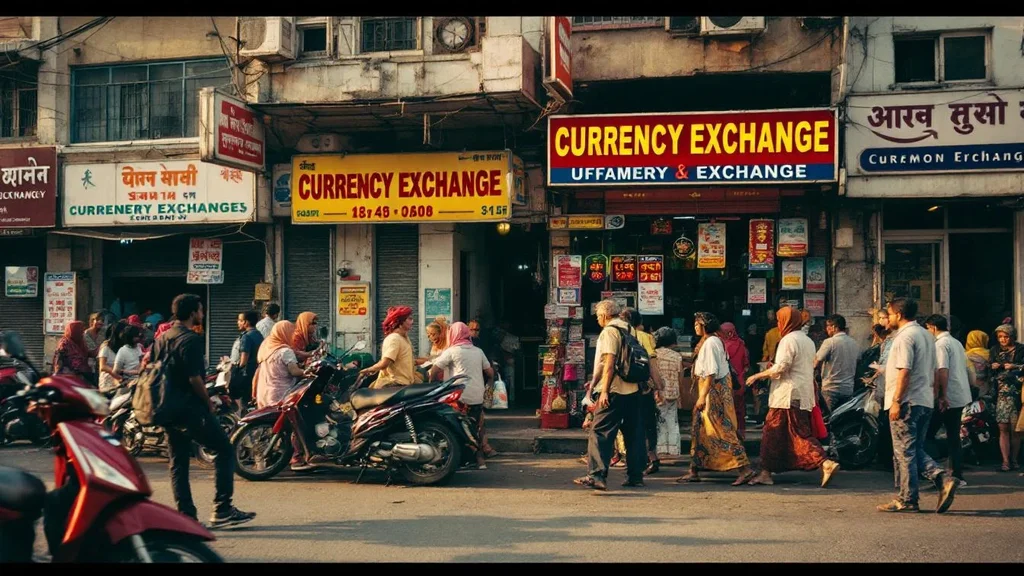 A Nigerian freelancer gets paid for a logo design. An Argentine Uber driver converts his daily earnings before the peso loses another 2%. A Turkish shopkeeper buys inventory from China — his supplier only accepts USDT. None of them care about blockchain technology or own a hardware wallet. They use USDT because their governments have destroyed their currencies and their banking systems don't work.
This article isn't about crypto culture, or DeFi, or the future of finance. It's about people trying to keep the money they earned without watching it evaporate.
Names and some details have been changed. The financial situations are based on real patterns documented across these markets. In some of these countries, talking about how you dodge currency controls can get you a visit from people you don't want visiting.
A Nigerian freelancer gets paid for a logo design. An Argentine Uber driver converts his daily earnings before the peso loses another 2%. A Turkish shopkeeper buys inventory from China — his supplier only accepts USDT. None of them care about blockchain technology or own a hardware wallet. They use USDT because their governments have destroyed their currencies and their banking systems don't work.
This article isn't about crypto culture, or DeFi, or the future of finance. It's about people trying to keep the money they earned without watching it evaporate.
Names and some details have been changed. The financial situations are based on real patterns documented across these markets. In some of these countries, talking about how you dodge currency controls can get you a visit from people you don't want visiting.Nigeria: The Cost Comparison That Explains Everything
 Getting paid $500 through Fiverr as a Nigerian freelancer costs 6-8% of your income. Fiverr's conversion fee takes 3-5%. The naira drops another 1-2% during the 3-5 business day transfer. The bank charges a "processing fee" nobody can explain. Getting paid $500 in USDT directly to a Binance wallet costs 2-3%. The difference — $25-30 per payment — is two weeks of groceries in Lagos.
The naira went from 460 to the dollar in January 2023 to around 1,600 by March 2026. A 70% devaluation in three years. Nigeria is now the second-largest P2P crypto market in the world, behind only China.
A freelance graphic designer I corresponded with keeps 60% of his savings in USDT. When he needs naira, he sells on Binance P2P at a 2-3% premium over the official rate — but the official rate is a fantasy, so the P2P rate is the real rate. His system works. Most of the time.
The complication nobody talks about: Nigerian banks have frozen accounts linked to P2P crypto trading. The CBN officially un-banned crypto in late 2023, but individual banks still flag large P2P transactions, and getting an account unfrozen can take weeks. Several traders I spoke to keep multiple bank accounts specifically for this reason — if one gets frozen, they switch to another. It's not seamless. It's not risk-free. It's just less bad than losing 70% to devaluation.
Check the full breakdown on our Nigeria stablecoin costs page.
Getting paid $500 through Fiverr as a Nigerian freelancer costs 6-8% of your income. Fiverr's conversion fee takes 3-5%. The naira drops another 1-2% during the 3-5 business day transfer. The bank charges a "processing fee" nobody can explain. Getting paid $500 in USDT directly to a Binance wallet costs 2-3%. The difference — $25-30 per payment — is two weeks of groceries in Lagos.
The naira went from 460 to the dollar in January 2023 to around 1,600 by March 2026. A 70% devaluation in three years. Nigeria is now the second-largest P2P crypto market in the world, behind only China.
A freelance graphic designer I corresponded with keeps 60% of his savings in USDT. When he needs naira, he sells on Binance P2P at a 2-3% premium over the official rate — but the official rate is a fantasy, so the P2P rate is the real rate. His system works. Most of the time.
The complication nobody talks about: Nigerian banks have frozen accounts linked to P2P crypto trading. The CBN officially un-banned crypto in late 2023, but individual banks still flag large P2P transactions, and getting an account unfrozen can take weeks. Several traders I spoke to keep multiple bank accounts specifically for this reason — if one gets frozen, they switch to another. It's not seamless. It's not risk-free. It's just less bad than losing 70% to devaluation.
Check the full breakdown on our Nigeria stablecoin costs page.Argentina: A Grandmother in Miami, a Grandson in Buenos Aires
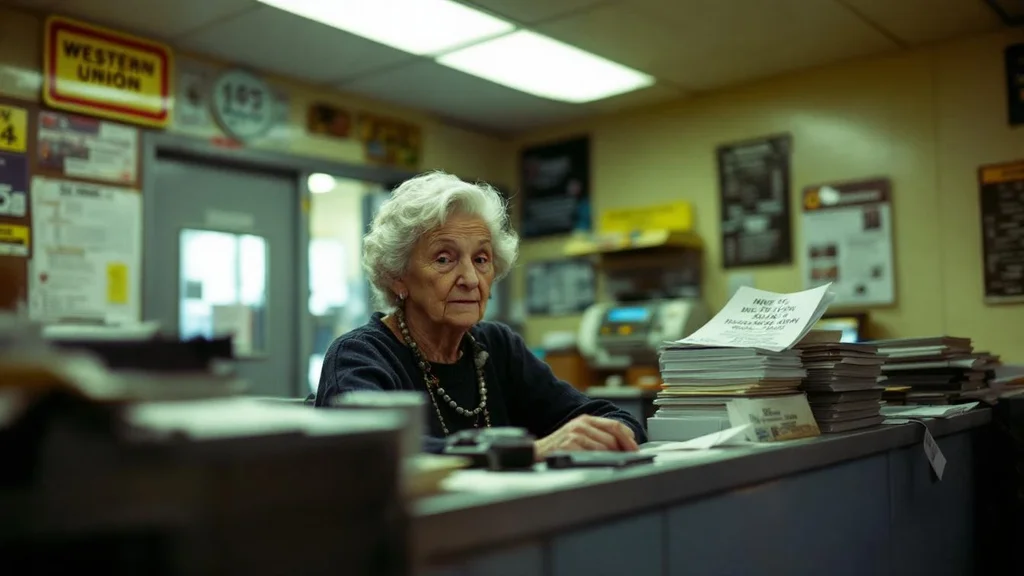 She used to send $200 through Western Union. The fee was $18. It took 3 days. Her grandson received pesos at the official exchange rate, which was 40% below the real rate. Now she buys USDT on Coinbase in Miami and sends it to his Binance wallet — $1 in gas on Tron, 2 minutes, and he sells on P2P at the blue dollar rate for 40% more pesos than the bank would have given him.
Argentina's inflation hit 211% in 2023. Milei's reforms brought it to around 80-90% annualized by early 2026 — better, but still catastrophic. An Uber driver in Buenos Aires told me his Friday evening routine: open Binance P2P, sell his week's pesos for USDT, done in 10 minutes. He keeps savings in USDT on his phone and buys back just enough pesos for rent. Electronics stores in Buenos Aires now list prices in both pesos and USDT.
"My grandfather kept dollars under the mattress. I keep USDT in my phone. Same thing."
The nuance: Milei's economic reforms have actually narrowed the blue dollar gap significantly in 2026. At its peak, the gap between official and blue rates was over 100%. By early 2026, it's down to 15-25% on most days. This means the USDT arbitrage advantage is shrinking — the driver's Friday routine saves less than it did a year ago. Some Argentines are cautiously moving small amounts back into peso-denominated investments for the first time in years. Whether that lasts depends entirely on whether Milei's government can maintain fiscal discipline, which is not exactly Argentina's strong suit historically.
See the real numbers on our Argentina stablecoin costs page.
She used to send $200 through Western Union. The fee was $18. It took 3 days. Her grandson received pesos at the official exchange rate, which was 40% below the real rate. Now she buys USDT on Coinbase in Miami and sends it to his Binance wallet — $1 in gas on Tron, 2 minutes, and he sells on P2P at the blue dollar rate for 40% more pesos than the bank would have given him.
Argentina's inflation hit 211% in 2023. Milei's reforms brought it to around 80-90% annualized by early 2026 — better, but still catastrophic. An Uber driver in Buenos Aires told me his Friday evening routine: open Binance P2P, sell his week's pesos for USDT, done in 10 minutes. He keeps savings in USDT on his phone and buys back just enough pesos for rent. Electronics stores in Buenos Aires now list prices in both pesos and USDT.
"My grandfather kept dollars under the mattress. I keep USDT in my phone. Same thing."
The nuance: Milei's economic reforms have actually narrowed the blue dollar gap significantly in 2026. At its peak, the gap between official and blue rates was over 100%. By early 2026, it's down to 15-25% on most days. This means the USDT arbitrage advantage is shrinking — the driver's Friday routine saves less than it did a year ago. Some Argentines are cautiously moving small amounts back into peso-denominated investments for the first time in years. Whether that lasts depends entirely on whether Milei's government can maintain fiscal discipline, which is not exactly Argentina's strong suit historically.
See the real numbers on our Argentina stablecoin costs page.Turkey: Gold Shops Accept USDT Now
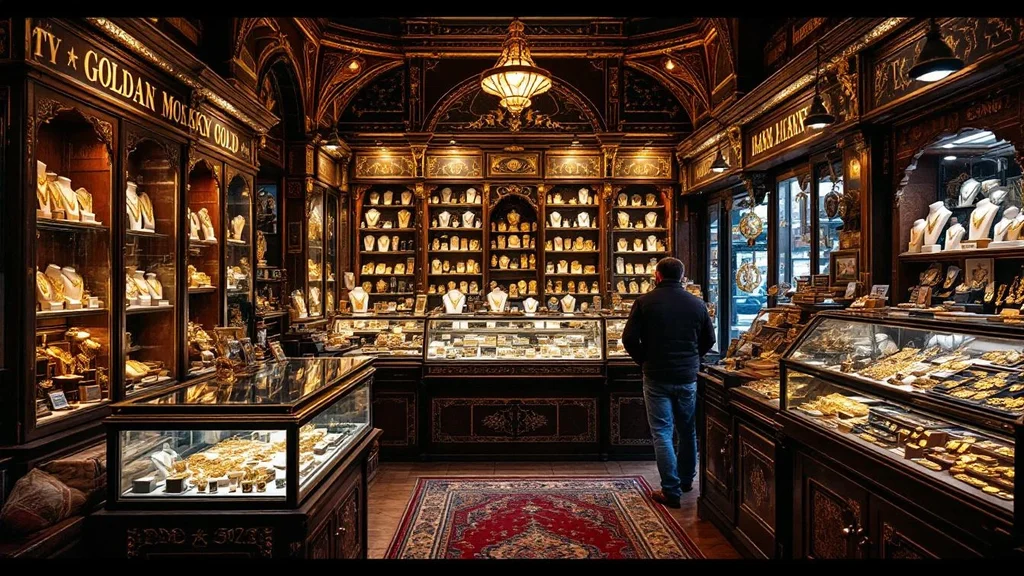 The Istanbul Grand Bazaar has been selling gold since 1461. Five hundred and sixty-five years. Some of those gold shops now accept USDT.
The lira lost 80% against the dollar since 2021, falling from 8 to about 42. A shopkeeper in Ankara imports electronics accessories from Shenzhen — his Chinese supplier wants USDT, not lira. Before, he'd wire dollars through his bank at a 3% fee with a 3-5 business day wait. Now he sends USDT on Tron for $1 in 3 minutes. He saves roughly $200 per month in banking fees. On a business with thin margins, that's the difference between profit and loss.
His employees convert lira to USDT on payday. Freelancers working remotely for US or European companies do the same. Holding lira for even a week means watching your paycheck shrink.
The Turkish government has proposed regulations and made threatening statements, but stopped short of an outright ban. Banning crypto would require admitting that monetary policy has failed badly enough that 6 million Turks would rather hold a token from a Cayman Islands company than their own national currency. That's not a crypto story — it's a monetary policy story.
But USDT isn't a perfect escape. Turkey's new crypto regulations, expected to take full effect in late 2026, will require exchanges to report all transactions to the tax authority. Traders who've been converting on Binance without declaring gains may face back-taxes they weren't expecting. The on-ramp is easy. The tax implications are not.
Full cost data on our Turkey stablecoin costs page.
The Istanbul Grand Bazaar has been selling gold since 1461. Five hundred and sixty-five years. Some of those gold shops now accept USDT.
The lira lost 80% against the dollar since 2021, falling from 8 to about 42. A shopkeeper in Ankara imports electronics accessories from Shenzhen — his Chinese supplier wants USDT, not lira. Before, he'd wire dollars through his bank at a 3% fee with a 3-5 business day wait. Now he sends USDT on Tron for $1 in 3 minutes. He saves roughly $200 per month in banking fees. On a business with thin margins, that's the difference between profit and loss.
His employees convert lira to USDT on payday. Freelancers working remotely for US or European companies do the same. Holding lira for even a week means watching your paycheck shrink.
The Turkish government has proposed regulations and made threatening statements, but stopped short of an outright ban. Banning crypto would require admitting that monetary policy has failed badly enough that 6 million Turks would rather hold a token from a Cayman Islands company than their own national currency. That's not a crypto story — it's a monetary policy story.
But USDT isn't a perfect escape. Turkey's new crypto regulations, expected to take full effect in late 2026, will require exchanges to report all transactions to the tax authority. Traders who've been converting on Binance without declaring gains may face back-taxes they weren't expecting. The on-ramp is easy. The tax implications are not.
Full cost data on our Turkey stablecoin costs page.Venezuela: USDT IS the Currency
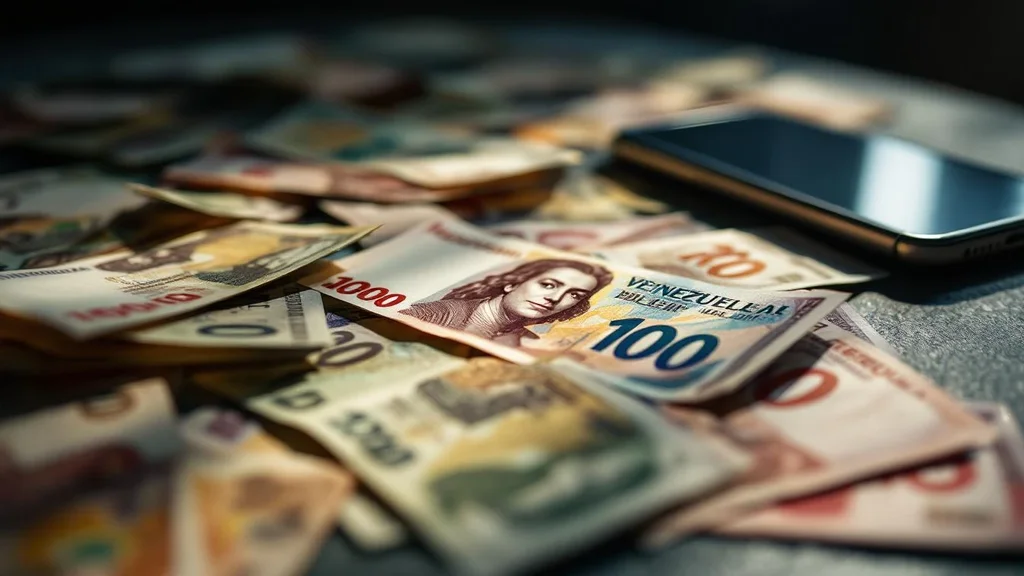 The bolivar has been redenominated three times — fourteen zeros removed total. The minimum wage is 130 bolivars per month, roughly $3.50 at the parallel market rate. Nobody lives on it. Everyone has a side hustle, and most side hustles involve USDT in some way.
Grocery stores, bakeries, and taxi drivers in Caracas accept USDT. It's not a "cryptocurrency" there — it's money, the functional currency of a country whose official currency has been destroyed. The P2P premium is surprisingly low, just 1-2%, because the market is so liquid. Remittances drive much of it: millions of Venezuelans abroad send USDT directly to family wallets instead of paying Western Union's 8-12% fees.
Zelle plus USDT has created a parallel financial system the government cannot control, cannot tax, and cannot shut down. Americans send dollars via Zelle to Venezuelans with US bank accounts, who then convert locally to bolivars or USDT. It's not decentralized finance. It's desperate finance.
The catch — and it's a real one — is that this system depends entirely on Tether remaining solvent. Venezuela has no consumer protection framework for stablecoins, no recourse mechanism, nothing. If Tether collapsed tomorrow, the functional currency of millions of Venezuelans would vanish overnight. People know this. They use USDT anyway, because the alternative is a currency that has already collapsed, slowly, over a decade. The known risk of Tether beats the proven track record of the bolivar.
The bolivar has been redenominated three times — fourteen zeros removed total. The minimum wage is 130 bolivars per month, roughly $3.50 at the parallel market rate. Nobody lives on it. Everyone has a side hustle, and most side hustles involve USDT in some way.
Grocery stores, bakeries, and taxi drivers in Caracas accept USDT. It's not a "cryptocurrency" there — it's money, the functional currency of a country whose official currency has been destroyed. The P2P premium is surprisingly low, just 1-2%, because the market is so liquid. Remittances drive much of it: millions of Venezuelans abroad send USDT directly to family wallets instead of paying Western Union's 8-12% fees.
Zelle plus USDT has created a parallel financial system the government cannot control, cannot tax, and cannot shut down. Americans send dollars via Zelle to Venezuelans with US bank accounts, who then convert locally to bolivars or USDT. It's not decentralized finance. It's desperate finance.
The catch — and it's a real one — is that this system depends entirely on Tether remaining solvent. Venezuela has no consumer protection framework for stablecoins, no recourse mechanism, nothing. If Tether collapsed tomorrow, the functional currency of millions of Venezuelans would vanish overnight. People know this. They use USDT anyway, because the alternative is a currency that has already collapsed, slowly, over a decade. The known risk of Tether beats the proven track record of the bolivar.The Common Thread
 Four countries, four currencies, all destroyed by the same thing: governments printing money to cover deficits, pay debts, fund wars, or buy elections. The people holding these currencies didn't do anything wrong. They worked, saved, and trusted their institutions. Their institutions betrayed them.
USDT didn't fix anything. It's a band-aid on a gunshot wound — it doesn't solve corrupt monetary policy, create jobs, or hold governments accountable. What it does is let a freelancer in Lagos keep his $500 without losing $30 to banking fees. It lets a grandmother in Miami send money to Caracas without Western Union taking a 10% cut. It lets a shopkeeper in Ankara pay his Chinese supplier without SWIFT fees and a 3-day wait. These are basic financial services that work everywhere except the countries that need them most.
USDT isn't perfect. Tether's reserves are opaque, the company is based in the Cayman Islands, and it could theoretically collapse. But the alternative is a currency controlled by a government that has demonstrated, repeatedly, that it will destroy that currency's value to serve its own interests. Given the choice between trusting Tether and trusting their own central bank, millions of people chose the Cayman Islands company. That tells you everything about the state of central banking in the developing world.
Four countries, four currencies, all destroyed by the same thing: governments printing money to cover deficits, pay debts, fund wars, or buy elections. The people holding these currencies didn't do anything wrong. They worked, saved, and trusted their institutions. Their institutions betrayed them.
USDT didn't fix anything. It's a band-aid on a gunshot wound — it doesn't solve corrupt monetary policy, create jobs, or hold governments accountable. What it does is let a freelancer in Lagos keep his $500 without losing $30 to banking fees. It lets a grandmother in Miami send money to Caracas without Western Union taking a 10% cut. It lets a shopkeeper in Ankara pay his Chinese supplier without SWIFT fees and a 3-day wait. These are basic financial services that work everywhere except the countries that need them most.
USDT isn't perfect. Tether's reserves are opaque, the company is based in the Cayman Islands, and it could theoretically collapse. But the alternative is a currency controlled by a government that has demonstrated, repeatedly, that it will destroy that currency's value to serve its own interests. Given the choice between trusting Tether and trusting their own central bank, millions of people chose the Cayman Islands company. That tells you everything about the state of central banking in the developing world.One More Thing
 Western regulators look at stablecoin adoption in emerging markets and say: "These people need consumer protection." What these people need is a currency that doesn't lose 70% of its value in three years. MiCA didn't help them. The GENIUS Act didn't help them. What helped them was a USDT wallet on a $100 Android phone.
I'm not anti-regulation. Stablecoins should have transparent reserves, issuers should be audited, and consumer protections matter. But when the EU bans USDT from exchanges to "protect consumers," the consumer in Lagos who just lost 3% more on their P2P trade would like a word. Protection from what? A stablecoin that might depeg 5% in a crisis? Their national currency depegged 70% in three years. Permanently. Without a crisis.
The risk calculus is different when your alternative is a currency that melts. These are regular people trying not to lose their savings to their own government's monetary policy, succeeding with a tool built by a company nobody trusts, on a technology nobody understands, in a market nobody regulates. That, somehow, is the best financial system available to a billion people.
Western regulators look at stablecoin adoption in emerging markets and say: "These people need consumer protection." What these people need is a currency that doesn't lose 70% of its value in three years. MiCA didn't help them. The GENIUS Act didn't help them. What helped them was a USDT wallet on a $100 Android phone.
I'm not anti-regulation. Stablecoins should have transparent reserves, issuers should be audited, and consumer protections matter. But when the EU bans USDT from exchanges to "protect consumers," the consumer in Lagos who just lost 3% more on their P2P trade would like a word. Protection from what? A stablecoin that might depeg 5% in a crisis? Their national currency depegged 70% in three years. Permanently. Without a crisis.
The risk calculus is different when your alternative is a currency that melts. These are regular people trying not to lose their savings to their own government's monetary policy, succeeding with a tool built by a company nobody trusts, on a technology nobody understands, in a market nobody regulates. That, somehow, is the best financial system available to a billion people.
Related tools and guides:
- Nigeria Cost Calculator — real-time Naira to USDT costs
- Argentina Cost Calculator — ARS to USDT with blue dollar rates
- Wallet Safety Scanner — check addresses before P2P trades
- Gift Cards Guide — spend stablecoins at 4,000+ brands
This content is for informational purposes only and does not constitute financial advice. Always do your own research before making investment decisions.

Mark Snowden
Former TradFi analyst turned full-time stablecoin researcher. We only recommend platforms we personally use.
Ready to get started?
Check our complete guide to buying stablecoins: real costs, real platforms, no fluff.