
Full Disclosure: We hate BS as much as you do. This site exists to show you how crypto actually works in the real world. To keep the lights on, some links in our articles are affiliate links. If you use them, we may earn a small commission at zero extra cost to you. We only recommend platforms we personally use and trust with our own stablecoins.
8% Cashback Sounded Great Until They Changed the Rules
 Crypto.com blasted 8% cashback in Super Bowl ads. Then in May 2022, they gutted rewards by 69.5% overnight. CRO went from $0.90 to $0.08. Coinbase killed the 4% debit card. Plutus axed the free tier.
I had a friend who locked $4,000 in CRO at $0.45 for the Jade Green card. He loved telling people about his 3% cashback. Then the rewards got slashed. CRO kept sliding. His $4,000 became $711. He spent the whole year maxing out the card. Total cashback earned: about $720. Net result after everything: still down $2,569. The cashback didn't cover a third of what he lost on the stake.
I ran the numbers on every major crypto cashback program. Fees, staking requirements, token risk, all of it. Most of them are structured so the platform takes zero price risk and you eat everything. Here's what I found.
Crypto.com blasted 8% cashback in Super Bowl ads. Then in May 2022, they gutted rewards by 69.5% overnight. CRO went from $0.90 to $0.08. Coinbase killed the 4% debit card. Plutus axed the free tier.
I had a friend who locked $4,000 in CRO at $0.45 for the Jade Green card. He loved telling people about his 3% cashback. Then the rewards got slashed. CRO kept sliding. His $4,000 became $711. He spent the whole year maxing out the card. Total cashback earned: about $720. Net result after everything: still down $2,569. The cashback didn't cover a third of what he lost on the stake.
I ran the numbers on every major crypto cashback program. Fees, staking requirements, token risk, all of it. Most of them are structured so the platform takes zero price risk and you eat everything. Here's what I found.Tokens vs. Store Credit. That's It.
 Crypto cashback comes in a bunch of flavors but the only thing that matters is this: are they paying you in a token that can crash 90% tomorrow, or fixed store credit?
Cards and browser extensions hand you tokens. CRO, PLU, BTC, whatever. You hold it, you own the downside. Gift card platforms hand you store credit. Can't crash. Can't withdraw either.
Once you get that split, everything else is details.
Crypto cashback comes in a bunch of flavors but the only thing that matters is this: are they paying you in a token that can crash 90% tomorrow, or fixed store credit?
Cards and browser extensions hand you tokens. CRO, PLU, BTC, whatever. You hold it, you own the downside. Gift card platforms hand you store credit. Can't crash. Can't withdraw either.
Once you get that split, everything else is details.I Ran the Numbers. Here's the Damage.
 Coinbase One Card (US only, need $200K for the good rate)
Remember the old Coinbase card? 4% back in XLM, no strings attached? Dead. The legacy card does 0.5% max now.
The replacement is the Coinbase One Card, an AmEx credit card. To get 4% BTC back you need a $49.99/year Coinbase One membership AND over $200,000 in crypto sitting on Coinbase. Most people will get 2%. A Citi Double Cash gives you the same 2% in FDIC-insured dollars without parking a quarter million on an exchange. I'll let you decide which sounds saner.
Crypto.com (the one everyone I know got burned on)
The Level Up system replaced the old staking program in 2025. Basic card (Midnight Blue) gives 0-1% CRO. Want 5-8%? Lock $500,000 in CRO for 12 months. Card top-ups cost 1%. Non-USD/EUR/GBP currencies get a 2% FX fee on top.
I've watched this company change its terms how many times now? The rates might look reasonable if you're entering at today's CRO price. But I'm not betting they won't slash again. They have a pattern.
Plutus (Europe only, free tier is dead)
3-9% back in PLU tokens. Sounds decent until you read the fine print. Free tier doesn't exist anymore. Cheapest plan is £6.99/month with a £250 spending cap. Go abroad? 2.5% FX fee on every foreign currency transaction. PLU trades around $0.13 with almost no liquidity. Good luck selling it without slippage.
Lolli and Fold (US only, real BTC but small)
Lolli does 1-30% BTC back at online stores. Realistically 3-7%. Free, real BTC, you can withdraw via Lightning. But they froze withdrawals for months in 2025 after getting acquired. That bothers me.
Fold does 1% free, 2% with the $100/year plan. Their "Spin Wheel" advertises prizes up to 1 BTC. Actual average from independent testing? 1.4%. Most spins land on base rate. Shocking.
Both legit if you're in the US. If you're not, they don't exist for you.
Bitrefill (global, boring, actually works)
Bitrefill gives 1-10% sats back when you buy gift cards with crypto. No staking. No subscriptions. No token lockups. 170+ countries, 6,500+ brands.
The catch: those sats can't be withdrawn. It's store credit for your next Bitrefill purchase. Not "free Bitcoin." A discount on future gift cards.
I use it regularly for Amazon and Steam. Zero drama.
Coinbase One Card (US only, need $200K for the good rate)
Remember the old Coinbase card? 4% back in XLM, no strings attached? Dead. The legacy card does 0.5% max now.
The replacement is the Coinbase One Card, an AmEx credit card. To get 4% BTC back you need a $49.99/year Coinbase One membership AND over $200,000 in crypto sitting on Coinbase. Most people will get 2%. A Citi Double Cash gives you the same 2% in FDIC-insured dollars without parking a quarter million on an exchange. I'll let you decide which sounds saner.
Crypto.com (the one everyone I know got burned on)
The Level Up system replaced the old staking program in 2025. Basic card (Midnight Blue) gives 0-1% CRO. Want 5-8%? Lock $500,000 in CRO for 12 months. Card top-ups cost 1%. Non-USD/EUR/GBP currencies get a 2% FX fee on top.
I've watched this company change its terms how many times now? The rates might look reasonable if you're entering at today's CRO price. But I'm not betting they won't slash again. They have a pattern.
Plutus (Europe only, free tier is dead)
3-9% back in PLU tokens. Sounds decent until you read the fine print. Free tier doesn't exist anymore. Cheapest plan is £6.99/month with a £250 spending cap. Go abroad? 2.5% FX fee on every foreign currency transaction. PLU trades around $0.13 with almost no liquidity. Good luck selling it without slippage.
Lolli and Fold (US only, real BTC but small)
Lolli does 1-30% BTC back at online stores. Realistically 3-7%. Free, real BTC, you can withdraw via Lightning. But they froze withdrawals for months in 2025 after getting acquired. That bothers me.
Fold does 1% free, 2% with the $100/year plan. Their "Spin Wheel" advertises prizes up to 1 BTC. Actual average from independent testing? 1.4%. Most spins land on base rate. Shocking.
Both legit if you're in the US. If you're not, they don't exist for you.
Bitrefill (global, boring, actually works)
Bitrefill gives 1-10% sats back when you buy gift cards with crypto. No staking. No subscriptions. No token lockups. 170+ countries, 6,500+ brands.
The catch: those sats can't be withdrawn. It's store credit for your next Bitrefill purchase. Not "free Bitcoin." A discount on future gift cards.
I use it regularly for Amazon and Steam. Zero drama.The 2026 Crypto Cashback Comparison Nobody Wants You to See
Here's every program side by side. No marketing copy, no "up to" rates. Just what you keep after everything is accounted for.
| Program | Headline Rate | What They Don't Tell You | Real Net Return | Who It's Actually For |
|---|---|---|---|---|
| Crypto.com | 0-8% CRO | $500K lockup for top tier. CRO down 90%+ from peak. Terms changed multiple times. | Likely negative | CRO believers only |
| Coinbase One | 2-4% BTC | $50/yr membership. $200K assets required for 4%. US only. | ~2% for most people | US crypto whales |
| Plutus | 3-9% PLU | No free tier. £6.99/mo min. 2.5% FX fee abroad. PLU at $0.13. | ~1-2% after fees | UK/EU homebodies |
| Lolli / Fold | 1-30% BTC | US only. Lolli froze withdrawals 2025. Fold spin averages 1.4%. | ~2-5% real BTC | US online shoppers |
| Bitrefill | 1-10% sats | Sats = store credit only. Can't withdraw. But zero fees, zero lockup. | 1-5% (zero risk) | Everyone outside US/EU |
If You Have a Normal Bank Card, Just Use It
 A Citi Double Cash gives 2% in FDIC-insured dollars. No staking, no tokens, no company rewriting the rules at 2am. An AmEx Blue Cash Preferred does 6% on groceries. If you have access to these cards, they beat every crypto option for day-to-day spending. Full stop.
So who actually benefits from crypto cashback? People the banking system forgot about.
I know a graphic designer in Buenos Aires dealing with 100%+ annual inflation. His local bank card gives zero rewards and charges a brutal spread on anything priced in USD. The official rate vs. the blue dollar rate eats 30-40% of his purchasing power. He holds USDC. When he needs an Amazon gift card, he buys it through Bitrefill, gets 3% back, and skips the entire banking extraction chain. That 3% isn't a loyalty perk for him. It's money his bank would have taken.
Same deal for freelancers in Manila earning USDC, or contractors in Lagos trying to buy international software. Converting stablecoins back to local currency through P2P costs 2-3% in spread. Then the bank takes its cut. Buying the gift card directly with crypto and picking up sats on top is strictly better math.
If you're in the US or EU with a solid credit card, keep using it. Don't overthink this.
A Citi Double Cash gives 2% in FDIC-insured dollars. No staking, no tokens, no company rewriting the rules at 2am. An AmEx Blue Cash Preferred does 6% on groceries. If you have access to these cards, they beat every crypto option for day-to-day spending. Full stop.
So who actually benefits from crypto cashback? People the banking system forgot about.
I know a graphic designer in Buenos Aires dealing with 100%+ annual inflation. His local bank card gives zero rewards and charges a brutal spread on anything priced in USD. The official rate vs. the blue dollar rate eats 30-40% of his purchasing power. He holds USDC. When he needs an Amazon gift card, he buys it through Bitrefill, gets 3% back, and skips the entire banking extraction chain. That 3% isn't a loyalty perk for him. It's money his bank would have taken.
Same deal for freelancers in Manila earning USDC, or contractors in Lagos trying to buy international software. Converting stablecoins back to local currency through P2P costs 2-3% in spread. Then the bank takes its cut. Buying the gift card directly with crypto and picking up sats on top is strictly better math.
If you're in the US or EU with a solid credit card, keep using it. Don't overthink this.What I Actually Do With My Money
 I don't use a crypto debit card. Watched my friend's CRO stake go from $4,000 to $711. Watched Plutus kill the free tier and add a 2.5% FX fee. The pattern is always the same: launch generous, acquire users, then gut the rewards once the growth numbers look good for the next funding round.
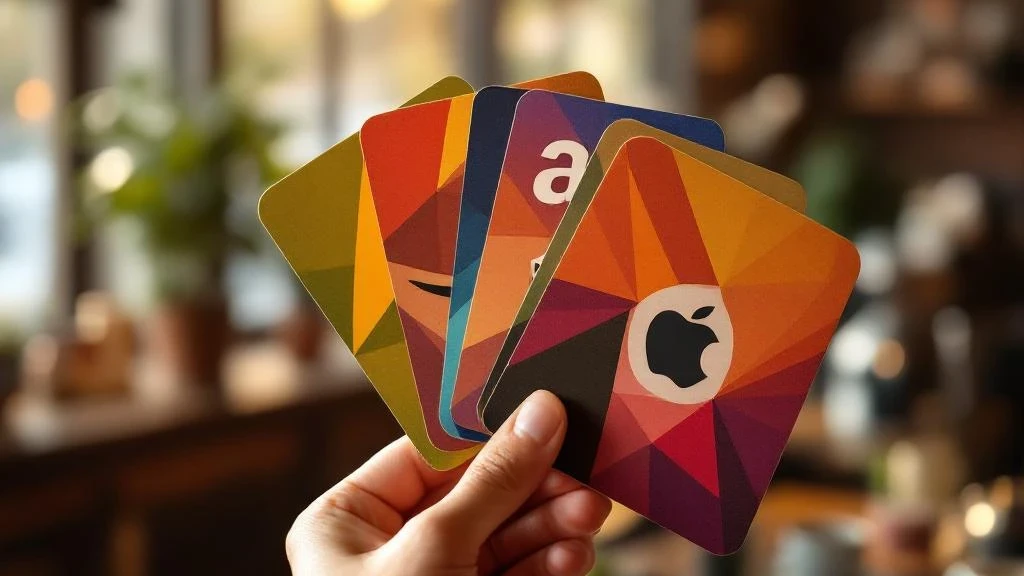
When I need Amazon, Steam, Uber, or Airbnb credit, I buy gift cards through Bitrefill. The 1-5% sats back is modest. But zero lockup, zero subscription, takes thirty seconds. I treat the rewards as a small discount, not some investment thesis.
Want the cheapest route to get started? Grab USDT on OKX or Binance via P2P (zero trading fee), then head to Bitrefill and buy what you need. You skip the bank's FX markup entirely and pick up a few sats on the way out. No locked tokens. No casino cards. Just spend what you were going to spend anyway, and keep a little more of it.
If you have a 2% bank card and a functional banking system, use the bank card. Seriously. Don't step over dollars chasing crypto pennies. But if you're already holding stablecoins or your banking options are garbage, this is the one move that consistently makes sense.
Keep it boring. Keep your money.
I don't use a crypto debit card. Watched my friend's CRO stake go from $4,000 to $711. Watched Plutus kill the free tier and add a 2.5% FX fee. The pattern is always the same: launch generous, acquire users, then gut the rewards once the growth numbers look good for the next funding round.
When I need Amazon, Steam, Uber, or Airbnb credit, I buy gift cards through Bitrefill. The 1-5% sats back is modest. But zero lockup, zero subscription, takes thirty seconds. I treat the rewards as a small discount, not some investment thesis.
Want the cheapest route to get started? Grab USDT on OKX or Binance via P2P (zero trading fee), then head to Bitrefill and buy what you need. You skip the bank's FX markup entirely and pick up a few sats on the way out. No locked tokens. No casino cards. Just spend what you were going to spend anyway, and keep a little more of it.
If you have a 2% bank card and a functional banking system, use the bank card. Seriously. Don't step over dollars chasing crypto pennies. But if you're already holding stablecoins or your banking options are garbage, this is the one move that consistently makes sense.
Keep it boring. Keep your money.Quick Answers
 Is Crypto.com safe?
From a hack? Probably fine. From them rewriting the Terms of Service and cutting your rewards while you sleep? They've already done it. Multiple times. To millions of users.
Taxes on crypto cashback?
If you're in the US earning serious BTC back, the IRS probably wants a cut. If you're a freelancer in Southeast Asia getting 2% sats on a Netflix gift card, nobody is enforcing that as "taxable income." I treat it as a discount. I keep records. That's it.
What happened to the Coinbase 4% card?
Dead. The old Visa debit card maxes out at 0.5% now. The 4% rate moved to the Coinbase One Card: totally different product. AmEx credit card, $50/year membership, need $200K in crypto on Coinbase for the top tier.
Should I stack multiple programs?
Only if you want to turn your finances into a part-time job for an extra $6 a month. Pick one thing. Do it. Move on.
Lowest risk option?
Bitrefill. Pay the gift card price, get the gift card, get some store credit for next time. Nothing to hold, nothing to lose, nothing to cancel.
Is Crypto.com safe?
From a hack? Probably fine. From them rewriting the Terms of Service and cutting your rewards while you sleep? They've already done it. Multiple times. To millions of users.
Taxes on crypto cashback?
If you're in the US earning serious BTC back, the IRS probably wants a cut. If you're a freelancer in Southeast Asia getting 2% sats on a Netflix gift card, nobody is enforcing that as "taxable income." I treat it as a discount. I keep records. That's it.
What happened to the Coinbase 4% card?
Dead. The old Visa debit card maxes out at 0.5% now. The 4% rate moved to the Coinbase One Card: totally different product. AmEx credit card, $50/year membership, need $200K in crypto on Coinbase for the top tier.
Should I stack multiple programs?
Only if you want to turn your finances into a part-time job for an extra $6 a month. Pick one thing. Do it. Move on.
Lowest risk option?
Bitrefill. Pay the gift card price, get the gift card, get some store credit for next time. Nothing to hold, nothing to lose, nothing to cancel.This content is for informational purposes only and does not constitute financial advice. Always do your own research before making investment decisions.

Mark Snowden
Former TradFi analyst turned full-time stablecoin researcher. We only recommend platforms we personally use.
Ready to get started?
Check our complete guide to buying stablecoins: real costs, real platforms, no fluff.